Gastrointestinal agents, designed for digestive system disorders, play a vital role in restoring balance to digestion and absorption processes. Conditions like acid reflux, irritable bowel syndrome (IBS), and inflammatory bowel disease (IBD) underscore the significance of these medications in providing relief and supporting gastrointestinal health
These agents are pivotal in addressing a range of gastrointestinal issues. Medications like proton pump inhibitors, used for acid reflux, reduce stomach acid production to alleviate symptoms and promote esophageal healing. For IBS and IBD, medications aim to regulate bowel function and control inflammation, offering relief to those dealing with these intricate conditions.
Did you know?
The introduction of H2 blockers, a class of medications reducing stomach acid, marked a notable
breakthrough in late 20th-century treatment for peptic ulcers and related gastrointestinal concerns.
Pharmgenity Health supplies and exports Gastrointestinal APIs including Bisacodyl, Domperidone, Etodolac, Esomeprazole, Pantoprazole Sodium, Sucralfate, Magnesium Hydroxide and Dried Aluminum Hydroxide, acting as a manufacturer, supplier, distributor and exporter of gastrointestinal APIs from Mumbai, India.
| SN | Product Image | Product Name | CAS No | Molecular Formula | Molecular Weight (g/mol) | Mechanism of Action |
|---|---|---|---|---|---|---|
| 1 | 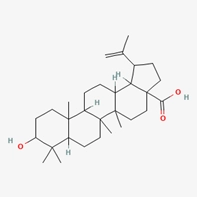 |
Bisacodyl | 603-50-9 | C22H19NO4 | 361.38 | Stimulant laxative that increases peristalsis by directly stimulating the nerve endings in the colonic mucosa |
| 2 | 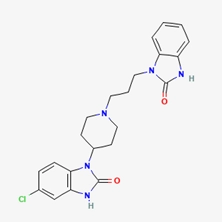 |
Domperidone | 57808-66-9 | C22H24ClN5O3S | 425.91 | Dopamine D2 receptor antagonist that facilitates gastric emptying and decreases nausea and vomiting |
| 3 | 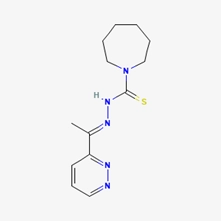 |
Etodolac | 41340-25-4 | C17H21NO3 | 287.35 | Selectively inhibits COX-2 enzyme to reduce inflammation and pain |
| 4 | 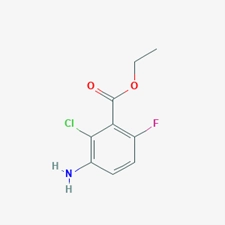 |
Esomeprazole | 119141-88-7 | C17H19N3O3S | 345.42 | Proton pump inhibitor that reduces stomach acid by blocking the enzyme in the stomach wall that produces acid |
| 5 | 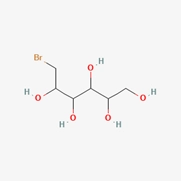 |
Pantoprazole Sodium | 138786-67-1 | C16H14F2N3NaO4S | 405.39 | Proton pump inhibitor that suppresses gastric acid secretion by inhibiting the hydrogen-potassium ATPase enzyme system |
| 6 | 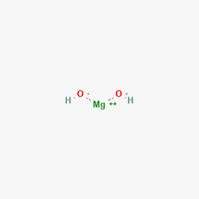 |
Sucralfate | 54182-58-0 | C12H54Al16O75S8 | 1448.92 | Forms a protective barrier on the ulcer to protect it from stomach acid and allow healing |
| 7 |  |
Magnesium Hydroxide | 1309-42-8 | Mg(OH)2 | 58.32 | Neutralizes stomach acid and increases water in the intestines to induce bowel movements |
| 8 |  |
Dried Aluminum Hydroxide | 21645-51-2 | Al(OH)3 | 78.00 | Neutralizes stomach acid by reacting with hydrochloric acid to form aluminum chloride and water |
Other products are available based on customer requirements.
Share your requirements and our team will get back to you with pricing, product documentation, and export support.
If the listed products don't precisely fit your requirements, we're ready to customize our offerings to meet your specific needs. Connect with us for a personalized quote.
Esomeprazole is the S-isomer of omeprazole and provides more consistent acid suppression than Pantoprazole due to its higher bioavailability and slower metabolic clearance. Esomeprazole achieves faster onset of acid inhibition and maintains intragastric pH above 4 for longer durations, which is clinically important for healing erosive esophagitis. Pantoprazole, while slightly less potent, has a more predictable pharmacokinetic profile, fewer drug-drug interactions via CYP450, and is available in both oral and intravenous formulations, making it versatile for hospital and outpatient use.
Domperidone is a peripheral dopamine D2 receptor antagonist that enhances gastric motility by increasing lower esophageal sphincter pressure, improving antroduodenal coordination, and accelerating gastric emptying. Unlike metoclopramide, Domperidone does not readily cross the blood-brain barrier, significantly reducing the risk of central nervous system side effects such as extrapyramidal reactions and tardive dyskinesia. This makes it particularly suitable for long-term management of diabetic gastroparesis, functional dyspepsia, and chronic gastroesophageal reflux disease.
For proton pump inhibitor APIs like Esomeprazole and Pantoprazole, we offer dissolution testing in multiple media including pH 1.2 simulated gastric fluid, pH 4.5 acetate buffer, and pH 6.8 simulated intestinal fluid, both with and without surfactants. Since PPIs are acid-labile, we conduct dissolution testing in biorelevant media and can supply APIs with defined release profiles for immediate-release or delayed-release (enteric-coated) formulations. Dissolution profiles are compared using f1 and f2 similarity factors to ensure batch-to-batch consistency.
Yes, we can supply antacid APIs like Magnesium Hydroxide and Dried Aluminum Hydroxide with specified acid-neutralizing capacity (ANC) profiles. ANC is measured according to USP method, representing the milliequivalents of acid neutralized per gram of antacid. We can supply grades with ANC values ranging from 20-30 mEq/g for Magnesium Hydroxide and 5-10 mEq/g for Dried Aluminum Hydroxide. We also control physical properties like surface area, porosity, and particle size that influence the rate and duration of acid neutralization, allowing formulation of fast-acting or sustained antacid products.
We provide comprehensive regulatory support for gastrointestinal product registrations globally. For PPIs, we can supply CEP (Certificate of Suitability to the European Pharmacopoeia) where applicable, which simplifies the review process for EMA filings. For the US market, we prepare and maintain Type II DMFs with periodic updates. We also provide stability data to support retest periods, impurity qualification data according to ICH Q3A/B, elemental impurities assessment per ICH Q3D, and nitrosamine risk evaluations as per recent EMA/FDA guidance. Our regulatory team can also assist with responding to authority queries during dossier review.
Get in touch with our team for detailed product information, documentation, and export pricing.