The marvel of Anti-Infective Agents steps in, armed with the scientific prowess to combat these invaders. Their necessity arises from the constant threat posed by bacteria, viruses, fungi, and parasites that can lead to infectious diseases.
The purpose of Anti-Infective Agents is clear: to thwart the spread and impact of infectious agents within the human body. Whether it's antibiotics fighting bacterial infections, antivirals tackling viral invaders, antifungals combatting fungal threats, or antiparasitic medications addressing parasitic infestations, each class of Anti-Infective Agents has a specific target.
Did you know?
The first widely used antibiotic, penicillin, was discovered accidentally by Sir Alexander
Fleming in 1928. He noticed the Mold Penicillium notatum inhibiting the growth of bacteria, leading to the
groundbreaking development of antibiotics.
Pharmgenity Health supplies and exports Anti-Infective APIs including Azathioprine, Doxofylline, Fluconazole, Metronidazole (Plain/Benzoate), Minocycline, Ofloxacin, Secnidazole, Trimetazidine HCl, Povidone Iodine and Chlorhexidine Gluconate, acting as a manufacturer, supplier, distributor and exporter of anti-infective APIs from Mumbai, India.
| SN | Product Image | Product Name | CAS No | Molecular Formula | Molecular Weight (g/mol) | Mechanism of Action |
|---|---|---|---|---|---|---|
| 1 | 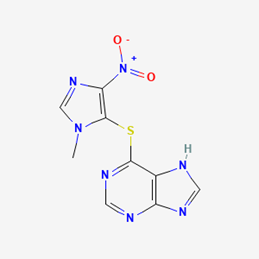 |
Azathioprine | C9H7N7O2S | C16H13C12NO4 | 277.26 | Prodrug converted to 6-mercaptopurine; inhibits DNA/RNA synthesis in lymphocytes |
| 2 | 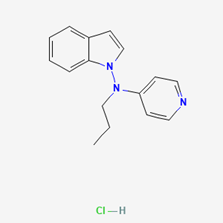 |
Doxofylline | 15307-79-6 | C11H14N4O4 | 236.24 | Phosphodiesterase inhibitor, bronchodilator used in asthma and COPD |
| 3 | 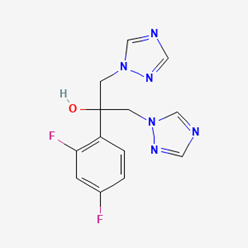 |
Fluconazole | 86386-73-4 | C13H12F2N6O | 306.27 | Inhibits fungal cytochrome P450-dependent enzyme lanosterol 14α-demethylase |
| 4 | 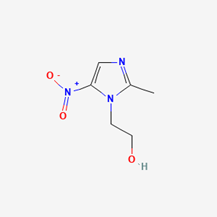 |
Metronidazole (Plain/Benzoate) | 13182-89-3 | C7H6ClN3O3 | 215.15 | Same mechanism as plain metronidazole; benzoate salt form |
| 5 | 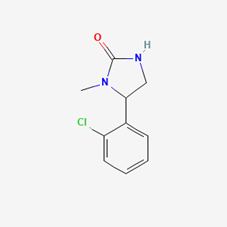 |
Minocycline | 10118-90-8 | C23H27N3O7 | 457.46 | Tetracycline antibiotic; inhibits bacterial protein synthesis |
| 6 | 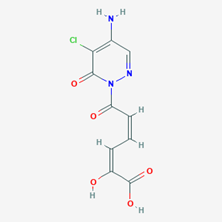 |
Ofloxacin | 3366-95-8 | C7H11N3O3 | 185.19 | Prodrug; interferes with DNA synthesis in anaerobic bacteria and protozoa |
| 7 | 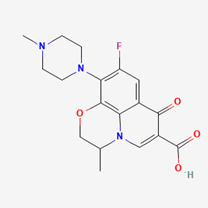 |
Secnidazole | 3366-95-8 | C7H11N3O3 | 185.19 | Prodrug; interferes with DNA synthesis in anaerobic bacteria and protozoa |
| 8 | 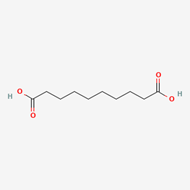 |
Trimetazidine HCl | 13171-25-0 | C14H22ClN3O2 | 339.84 | Inhibits mitochondrial long-chain 3-ketoacyl coenzyme A thiolase |
| 9 | 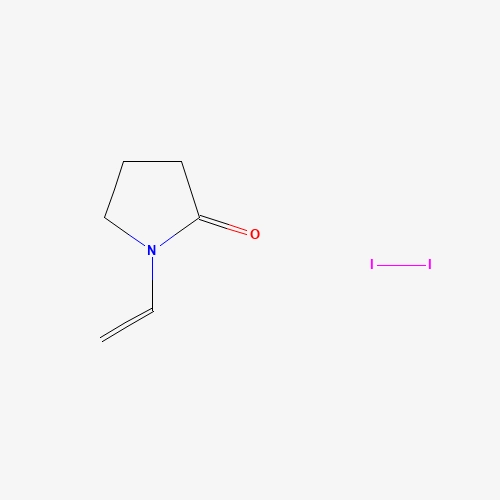 |
Povidone Iodine | 25655-41-8 | Variable | Variable | Releases free iodine, disrupting protein synthesis and cell membranes in microorganisms |
| 10 | 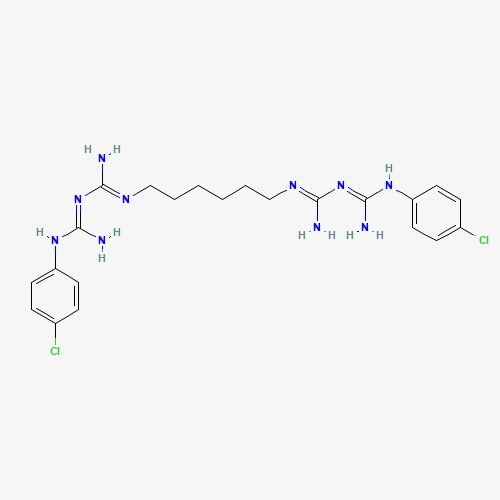 |
Chlorhexidine Gluconate | 18472-51-0 | Variable | Variable | Disrupts cell membranes and precipitates proteins in microorganisms |
Other products are available based on customer requirements.
Share your requirements and our team will get back to you with pricing, product documentation, and export support.
If the listed products don't precisely fit your requirements, we're ready to customize our offerings to meet your specific needs. Connect with us for a personalized quote.
Fluconazole is a triazole antifungal that inhibits fungal cytochrome P450 14-alpha-demethylase, blocking ergosterol synthesis in fungal cell membranes. Compared to other azoles, Fluconazole offers excellent oral bioavailability and tissue penetration, including into cerebrospinal fluid, making it the preferred choice for treating cryptococcal meningitis and systemic Candida infections. Its favorable safety profile and predictable pharmacokinetics make it suitable for both induction and maintenance therapy in immunocompromised patients.
Minocycline is a second-generation tetracycline that inhibits bacterial protein synthesis by binding to the 30S ribosomal subunit, showing efficacy against methicillin-resistant Staphylococcus aureus (MRSA) and other multidrug-resistant organisms. Ofloxacin is a fluoroquinolone that inhibits bacterial DNA gyrase and topoisomerase IV, providing broad-spectrum coverage against Gram-positive and Gram-negative pathogens. Both APIs are valuable options for treating infections caused by bacteria resistant to first-line antibiotics, particularly in hospital-acquired infection settings.
Our anti-infective APIs undergo comprehensive microbiological testing including total aerobic microbial count (TAMC), total combined yeasts and molds count (TYMC), tests for specified pathogens such as Staphylococcus aureus, Pseudomonas aeruginosa, Escherichia coli, and Salmonella species, as well as endotoxin testing using the LAL method for injectable-grade APIs. All testing follows USP <61>, <62>, and <85> guidelines. Since these APIs are themselves antimicrobial agents, special neutralization and membrane filtration techniques are employed to ensure accurate microbial enumeration.
Yes, we can supply anti-infective APIs with specific particle size specifications optimized for oral suspension formulations. Particle size is critical for suspensions as it directly affects the rate of dissolution, bioavailability, and physical stability of the suspension. We can provide APIs with D90 specifications ranging from micronized grades (<10 microns) for enhanced dissolution to controlled coarse grades for prolonged release. We work with customers to determine the optimal particle size distribution for their specific suspension formulation requirements.
Povidone Iodine is an iodophor that works by releasing free iodine which penetrates microbial cell walls and oxidizes essential proteins, nucleic acids, and fatty acids, leading to rapid microbial death within 30-60 seconds. It has broad-spectrum activity against bacteria, fungi, viruses, and protozoa. Chlorhexidine Gluconate is a cationic bisbiguanide that disrupts microbial cell membranes, causing precipitation of cell contents and cell death. It provides persistent antimicrobial activity for up to 6 hours after application and is preferred for surgical hand scrubs and preoperative skin preparation due to its residual effect.
Get in touch with our team for detailed product information, documentation, and export pricing.