Diabetes mellitus, a metabolic disorder with disrupted glucose balance, demands precise management to avert adverse effects. This imbalance fuels the development of anti-diabetic agents, including exogenous insulin and oral medications like sulfonylureas, biguanides, thiazolidinediones, and alpha-glucosidase inhibitors. Each targets distinct aspects of glucose regulation, providing a comprehensive approach to diabetes care.
Did you know?
The first recorded mention of diabetes dates to ancient Egypt (around 1552 BC), where physicians described a
condition associated with frequent urination and loss of weight. However, it wasn't until the 20th century
that insulin was discovered and used for diabetes management.
Pharmgenity Health supplies and exports Anti-diabetic APIs including Glibenclamide, Gliclazide, Metformin HCL, Pioglitazone HCL and Glimepiride, acting as a manufacturer, supplier, distributor and exporter of anti-diabetic APIs from Mumbai, India.
| SN | Image | Product Name | CAS No | Molecular Formula | Molecular Weight (g/mol) | Mechanism of Action |
|---|---|---|---|---|---|---|
| 1 | 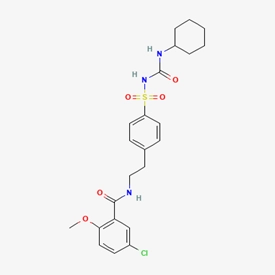 |
Glibenclamide | 10238-21-8 | C23H28ClN3O5S | 494.01 | Stimulates insulin release from pancreatic beta cells, used for treating type 2 diabetes mellitus |
| 2 | 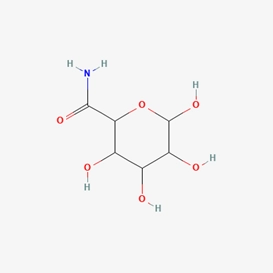 |
Gliclazide | 21187-98-4 | C15H21N3O3S | 323.41 | Stimulates insulin release from pancreatic beta cells, used for treating type 2 diabetes mellitus |
| 3 | 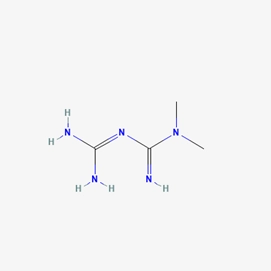 |
Metformin HCl | 1115-70-4 | C4H12ClN5 | 165.62 | Decreases hepatic glucose production and increases insulin sensitivity, first-line therapy for type 2 diabetes |
| 4 | 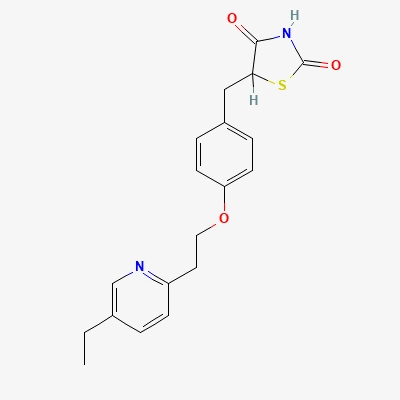 |
Pioglitazone HCl | 111025-46-8 | C19H20N2O3S·HCl | 392.90 | Increases insulin sensitivity by acting on PPAR-γ receptors, used for treating type 2 diabetes |
| 5 | 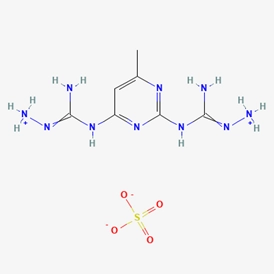 |
Glimepiride | 93479-97-1 | C24H34N4O5S | 490.62 | Stimulates insulin release from pancreatic beta cells, used for treating type 2 diabetes mellitus |
Other products are available based on customer requirements.
Send your requirements and our team will get back to you with technical documentation, sample availability and export pricing.
If the listed products don't precisely fit your requirements, we're ready to customize our offerings to meet your specific needs. Contact with us for a personalized quote.
Sulfonylureas such as Glibenclamide, Gliclazide, and Glimepiride work by stimulating insulin secretion from pancreatic beta cells, making them effective only in patients with preserved beta-cell function. They carry a risk of hypoglycemia and weight gain. Metformin HCL, a biguanide, works primarily by decreasing hepatic glucose production and improving peripheral insulin sensitivity without increasing insulin secretion. Metformin is considered the first-line therapy for type 2 diabetes due to its neutral effect on weight, low hypoglycemia risk, and additional cardiovascular benefits demonstrated in clinical outcomes trials.
Pioglitazone HCL is a thiazolidinedione that acts as a selective agonist at peroxisome proliferator-activated receptor gamma (PPAR-gamma), a nuclear receptor that regulates insulin-responsive gene transcription. By activating PPAR-gamma, Pioglitazone improves insulin sensitivity in adipose tissue, skeletal muscle, and the liver, reducing insulin resistance at the cellular level. Its onset of action is slower than other oral anti-diabetics (2-4 weeks for full effect), but it provides durable glycemic control and has beneficial effects on lipid profiles, including increasing HDL cholesterol.
For sulfonylurea APIs like Glibenclamide and Gliclazide, critical quality attributes include polymorphic form control (since different polymorphs can affect dissolution and bioavailability), particle size distribution for content uniformity in low-dose formulations, and control of genotoxic sulfonamide impurities. For Metformin HCL, we monitor for NDMA (N-nitrosodimethylamine) and other nitrosamine impurities as per current FDA and EMA regulatory requirements, as well as residual dimethylamine and cyanoguanidine from synthesis. All APIs undergo comprehensive testing per pharmacopeial monographs with additional in-house impurity methods.
Yes, we can supply anti-diabetic APIs with particle size and crystal form specifications optimized for extended-release formulations. Metformin HCL extended-release tablets require specific particle size distribution and flow properties for successful hydrophilic or hydrophobic matrix systems. For low-dose sulfonylureas like Glimepiride (1-4 mg), we provide micronized grades with controlled particle size to ensure content uniformity and consistent release from matrix systems. We provide dissolution data in multiple biorelevant media to support formulation development.
Our anti-diabetic APIs are manufactured in WHO-GMP certified facilities and comply with multiple pharmacopeial standards including USP, BP, EP, and IP. We maintain the flexibility to supply APIs meeting specific pharmacopeial requirements based on the target market. For Metformin HCL, we supply grades meeting USP, EP, or BP specifications with appropriate impurity limits and particle size options. For sulfonylureas, we provide documentation compliant with ICH stability guidelines, residual solvent control per ICH Q3C, and elemental impurities per ICH Q3D. Each batch is accompanied by a certificate of analysis reflecting the applicable pharmacopeial standard.
Get in touch with our team for detailed product information, documentation, and export pricing.